Lieux incontournables en Slovénie
La liste ultime des sites à visiter en Slovénie : parcs nationaux, région viticole, côte adriatique, et plus encore. Découvrez les meilleurs endroits à voir par région.

La Slovénie peut être petite, mais elle offre un des mélanges de paysages et de patrimoine culturel les plus diversifiés d'Europe.
Dans un seul pays, vous trouverez des sommets alpins atteignant presque 3000 m, des rivières émeraude, des forêts primordiales, des ruines romaines, des villes vénitiennes et des grottes qui s'étendent sur des kilomètres sous terre.
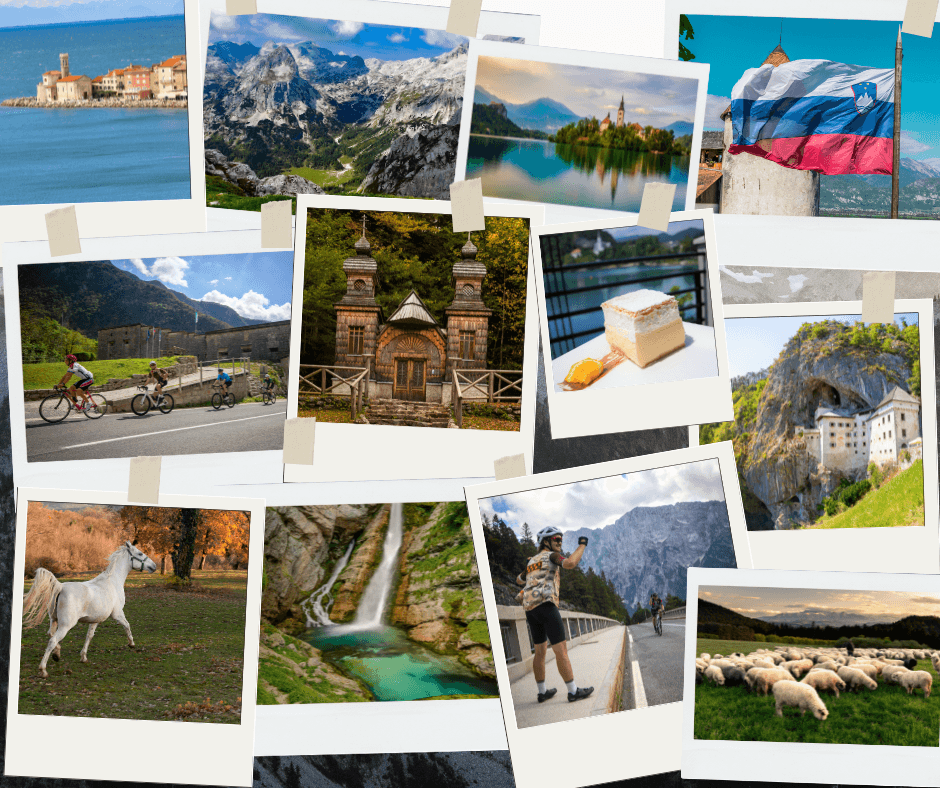
Nous avons rassemblé une liste de souhaits de lieux à voir en Slovénie, divisée par région. Alors, que devrait-elle contenir ?
Alpes et Alpes juliennes de Slovénie
Au nord, la Slovénie révèle son côté alpin dramatique. Des sommets majestueux près de 3 000 m, des lacs cristallins et des vallées profondes définissent cette région, où les Alpes juliennes et le parc national du Triglav créent un paysage de contrastes saisissants.
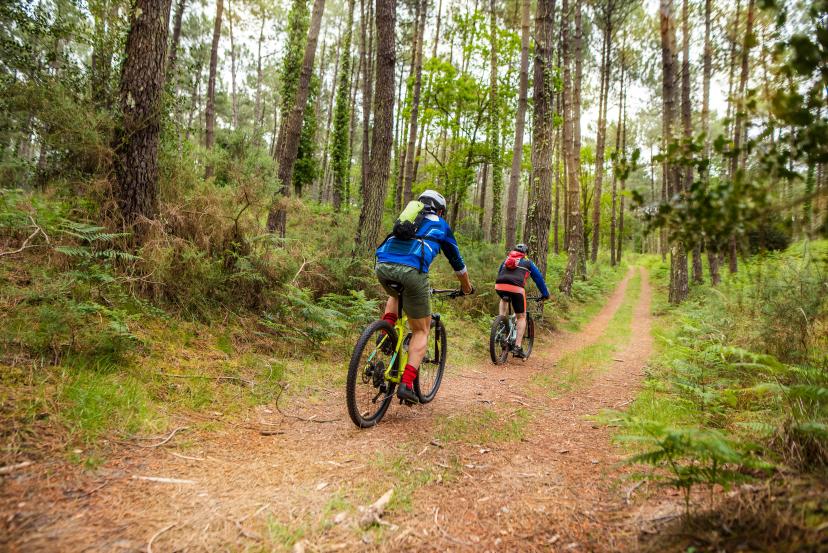
Ici, les cyclistes trouvent des cols de montagne légendaires, des rivières émeraude et des villages alpins classiques—un décor inoubliable pour des balades à travers certains des paysages les plus époustouflants d'Europe.
Vous voulez en faire l'expérience de première main ? Notre Tour des Alpes à l'Adriatique, La Course des Champions de Slovénie, et Vacances de cyclisme sur route dans les Alpes juliennes mettent en valeur le meilleur de cette spectaculaire région montagneuse.

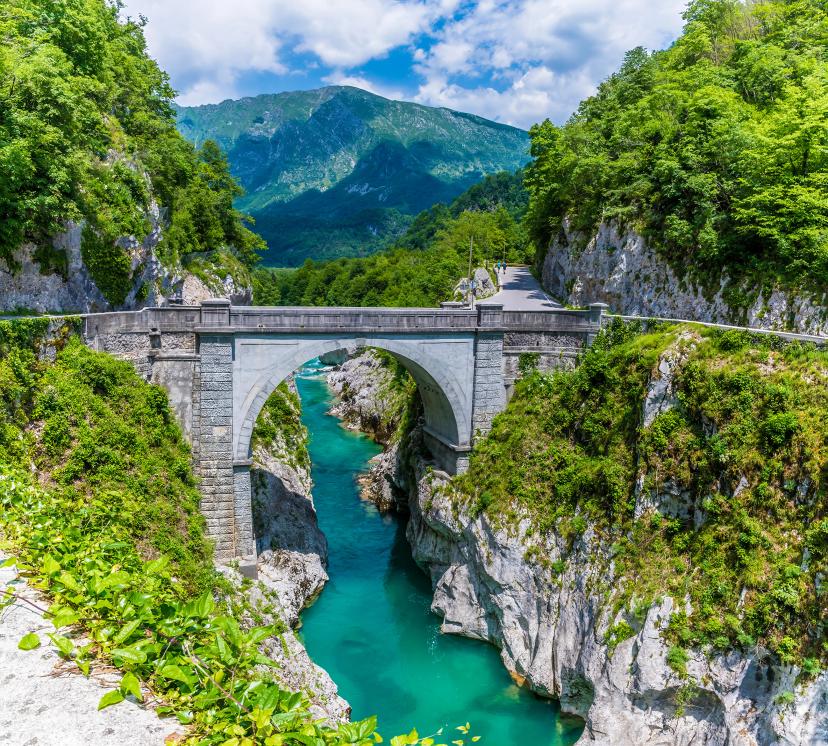
Napoleon’s Bridge
Built in 1750 and named after Napoleon’s troops who crossed it in 1797, this single-arch stone bridge spans about 55 m, rising 22 m above the emerald Soča River. Rebuilt after World War I battles along the Isonzo Front, it remains a striking historic crossing with panoramic views of the Julian Alps.

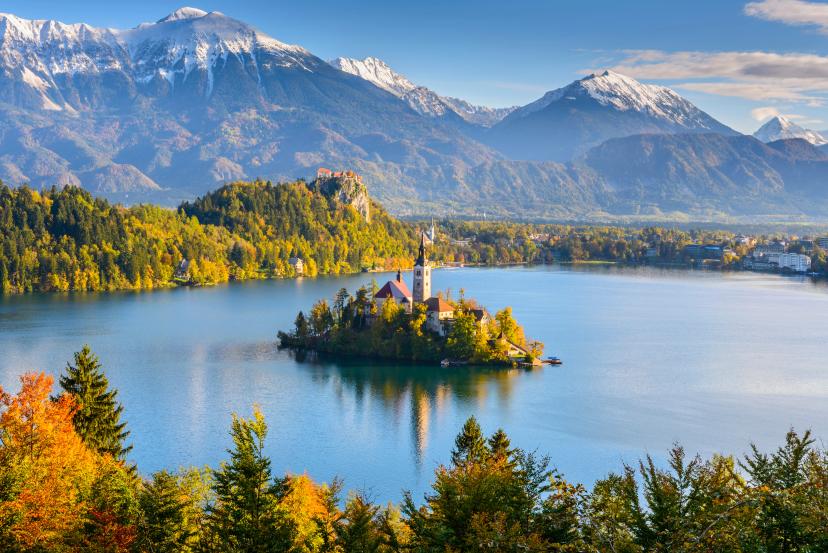
Lake Bled
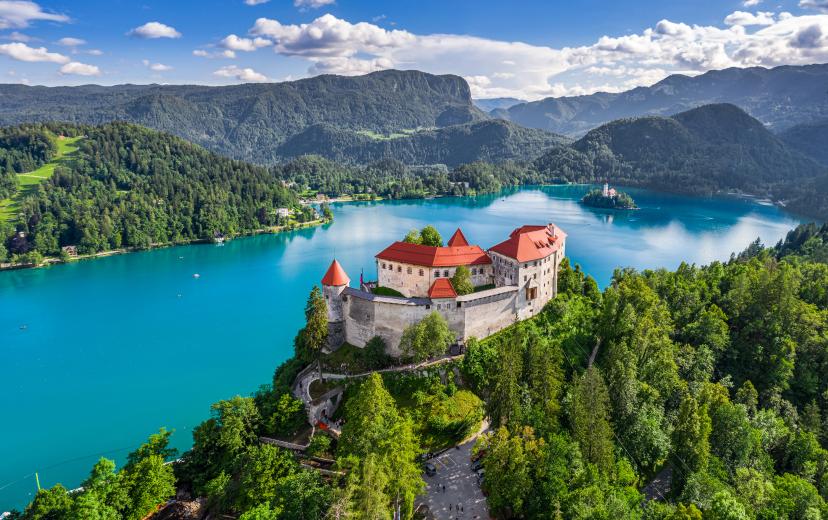
Lake Bled is Slovenia’s most famous sight and for good reason. The lake was formed by glacial activity, and in its center sits the only natural island in Slovenia. A church has stood on that island since the 9th century, and today visitors still ring its “wishing bell.” Getting to the island is done the traditional way—by pletna, a wooden boat rowed standing up, a method unique to this area.

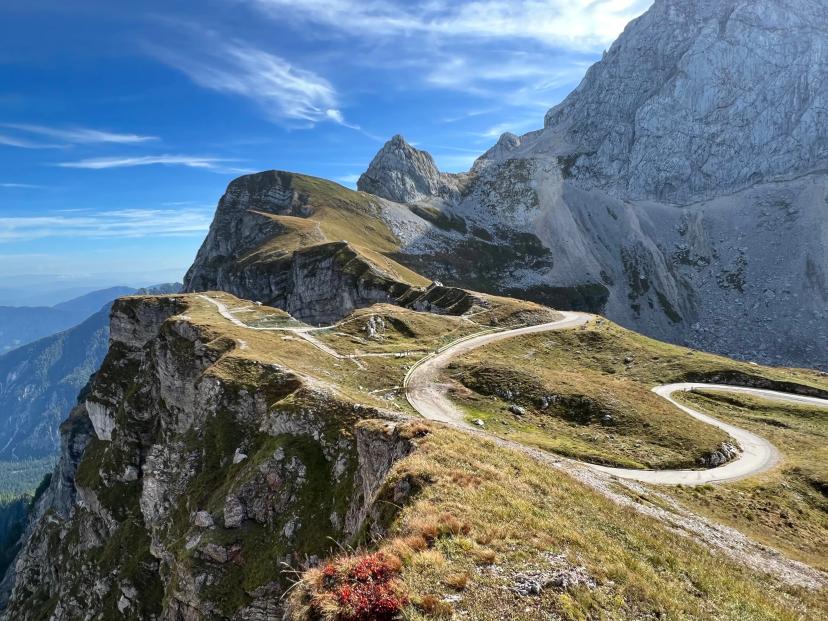
Mangart Saddle
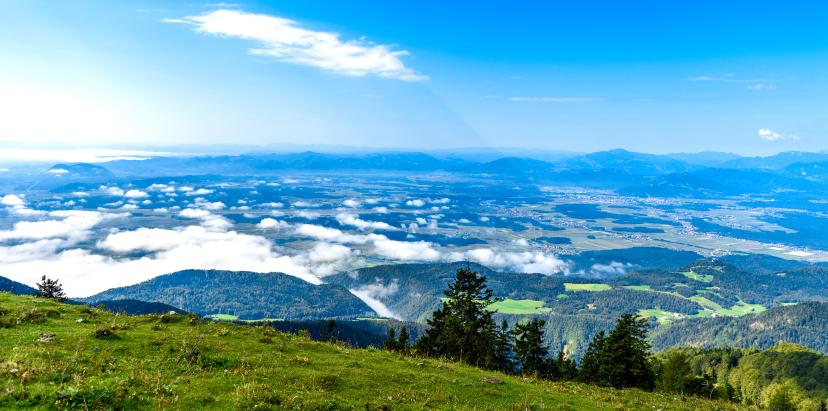
Mangart Saddle, at 2,055 meters, is the highest road in Slovenia. The panoramic road leading up includes tunnels and dramatic switchbacks, ending just below Mount Mangart, Slovenia’s third-highest peak. It is a starting point for hikes, but even without climbing further, the views stretch across Slovenia and into neighboring Italy and Austria.

Julian Alps
Crossing north-west Slovenia and into Italy, the Julian Alps rise above 2,700 m and hold icons like the cobbled Vršič Pass with its 24 switchbacks. Glacial lakes Bled and Bohinj, turquoise rivers, and traditional alpine villages create dramatic scenery, while historic WWI routes add intrigue. Cyclists come for challenging ascents, sweeping panoramas, and some of Europe’s most rewarding mountain rides.

Lake Bohinj
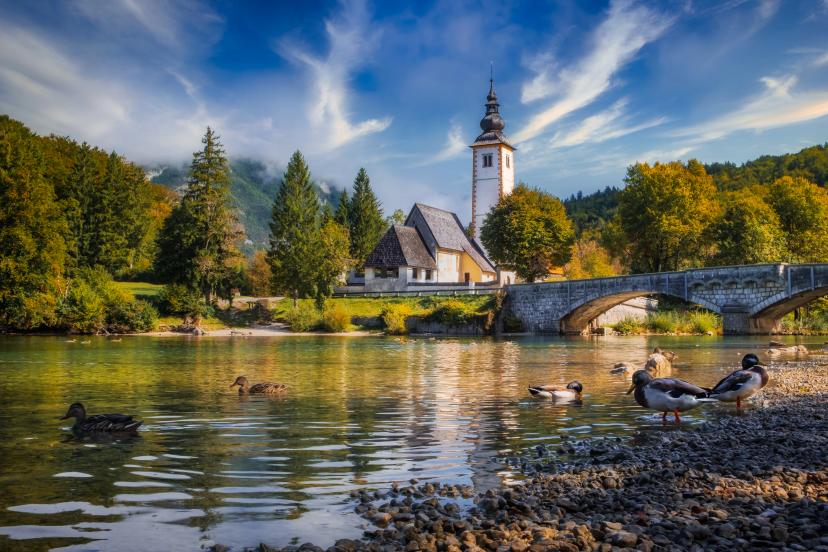
Lake Bohinj is the largest permanent lake in Slovenia, 4.2 kilometers long and 1 kilometer wide, located inside Triglav National Park. It holds about 100 million cubic meters of water, fed by mountain streams and glaciers. Activities such as swimming, kayaking, and hiking around the lake are popular, but it remains much less developed than nearby Bled. A cable car leads from the lake up to Mount Vogel, where ski slopes in winter turn into hiking trails in summer.

Bled Castle
Perched on a cliff 130 m above the emerald waters of Lake Bled, this is Slovenia’s oldest castle, first mentioned in 1011. Its Romanesque walls, medieval courtyards, and Renaissance towers overlook one of Europe’s most photographed lakes, with panoramic views of the Julian Alps and the tiny island church below. Inside, a small museum traces a thousand years of history, while a wine cellar, chapel, and printing workshop bring the past to life.

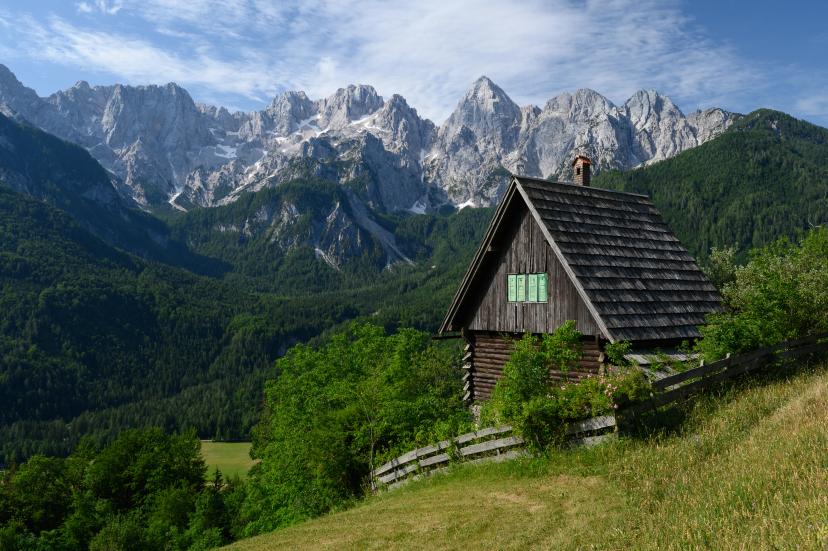
Zajamniki Alpine Pasture
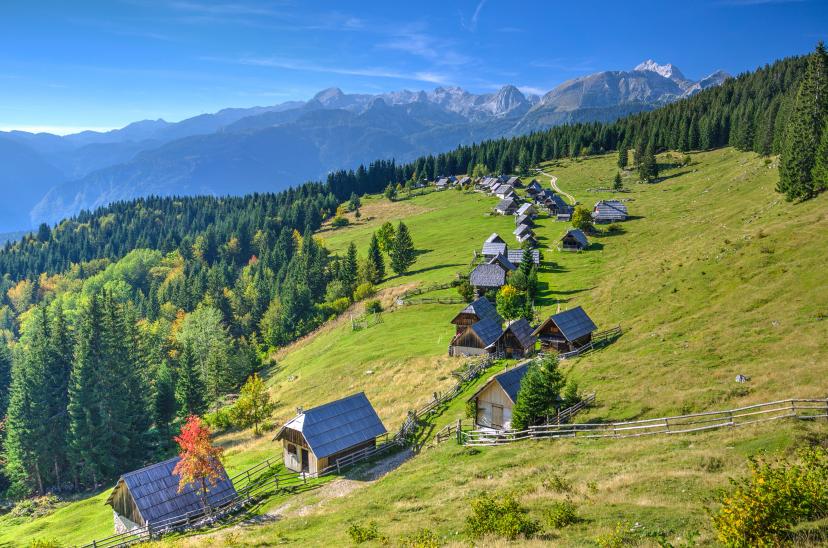
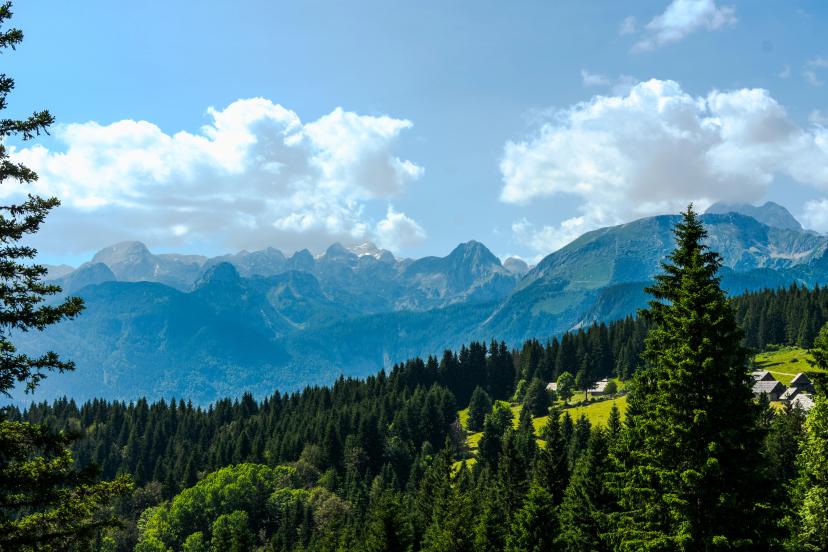
High above Lake Bohinj on the Pokljuka Plateau, Zajamniki is one of Slovenia’s most picturesque alpine pastures. A ribbon of traditional wooden herdsmen’s huts stretches across a grassy ridge at about 1,300 m, with sweeping views of the Julian Alps and Mount Triglav. In summer, meadows burst with wildflowers and cows graze as they have for centuries, offering a glimpse of authentic mountain life. Reached by quiet forest roads, Zajamniki is a peaceful stop for adventurers seeking classic Alpine scenery.

Kobarid Charnel House
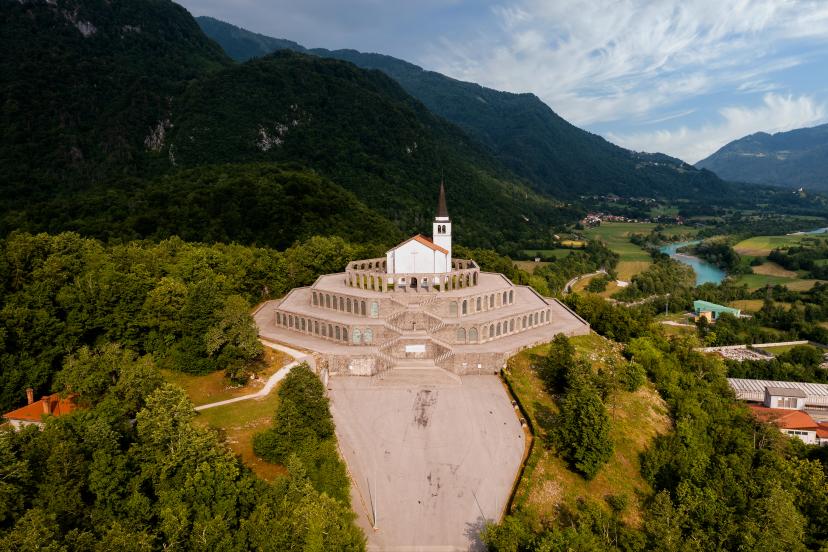
The Italian Charnel House in Kobarid is a military ossuary built in 1938 to hold the remains of 7,014 Italian soldiers who died during World War I in the Isonzo Front battles. The circular structure is built around the pre-existing church of St. Anthony, and its inauguration was attended by Mussolini. It stands above the town of Kobarid and is part of the “Walk of Peace” heritage trail, which connects key sites from the front lines of the Great War across the Soča Valley.

Lake Jasna
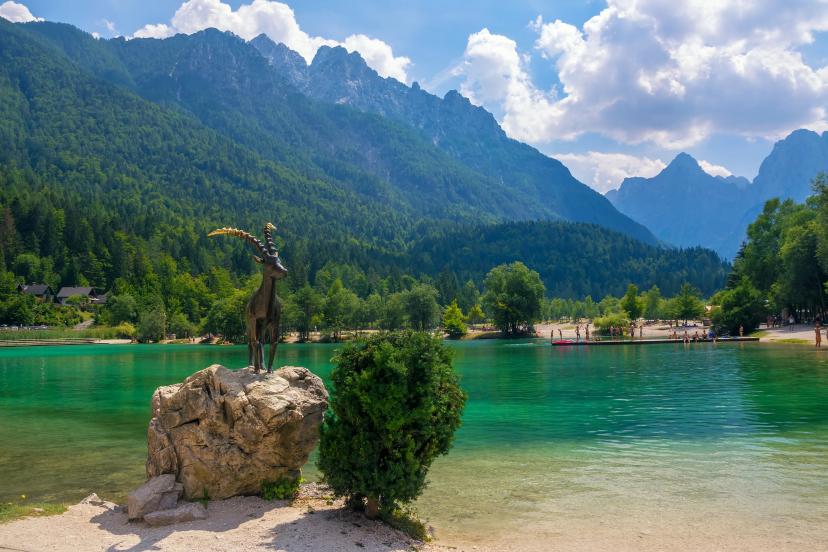
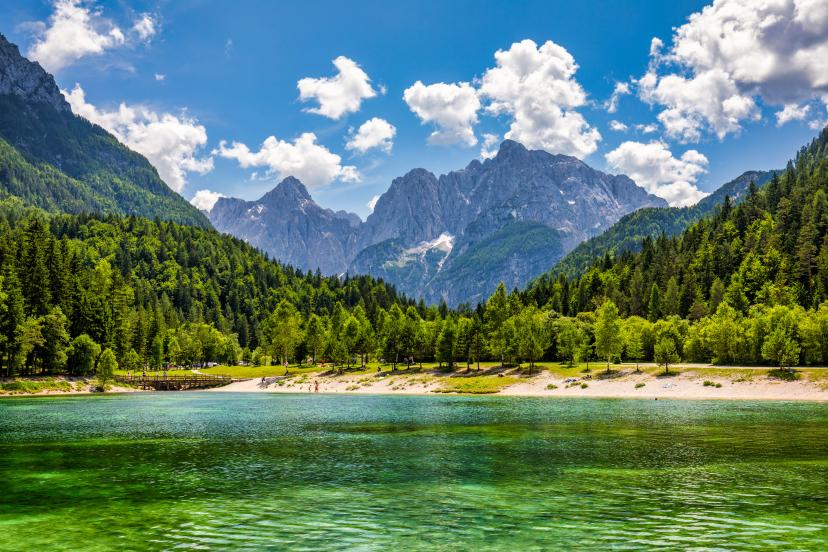
Lake Jasna consists of two connected artificial lakes near Kranjska Gora. Built for tourism, they are surrounded by walking paths and overlooked by the peaks of the Julian Alps. A wooden viewing tower, a bronze statue of an ibex, and clear alpine water make it one of the most photographed spots in the region.

Dovžanova Soteska
Located near Tržič in northern Slovenia, Dovžanova Soteska is a narrow limestone gorge carved by the Tržič Bistrica River. It is a protected natural monument and internationally known geological site, showcasing 300-million-year-old fossils and rare rock formations from the Paleozoic era. A scenic trail with bridges and interpretive panels follows the river through steep cliffs and natural rock arches, offering visitors both striking alpine views and a glimpse into deep geological history.

Pokljuka Plateau
Rising 1,200–1,500 m within Triglav National Park, Pokljuka is Slovenia’s largest high plateau and a showcase of pristine alpine nature. Vast spruce forests, peat bogs, and open pastures dotted with traditional shepherd huts create a landscape of striking beauty and rich wildlife, with sweeping views of the Julian Alps and Mount Triglav.

Zelenci Nature Reserve
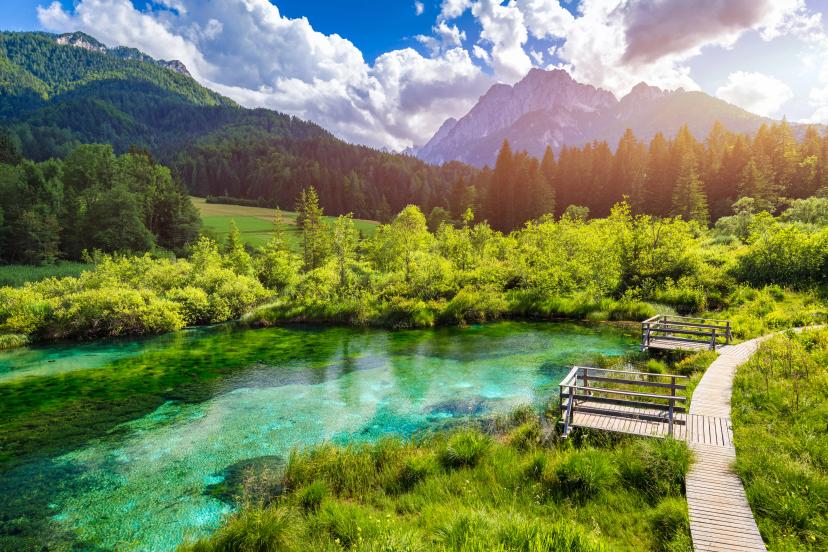
Zelenci is where the Sava Dolinka River begins. The water rises through porous chalk and sand, creating bright emerald pools that never freeze, even in winter. The reserve covers 15 hectares and is home to rare species of plants and animals, including orchids and kingfishers. A wooden boardwalk and viewing tower make the area accessible for visitors, offering views of the surrounding Julian Alps. The constant temperature of the spring water is about 6°C year-round.

Castle Kamen
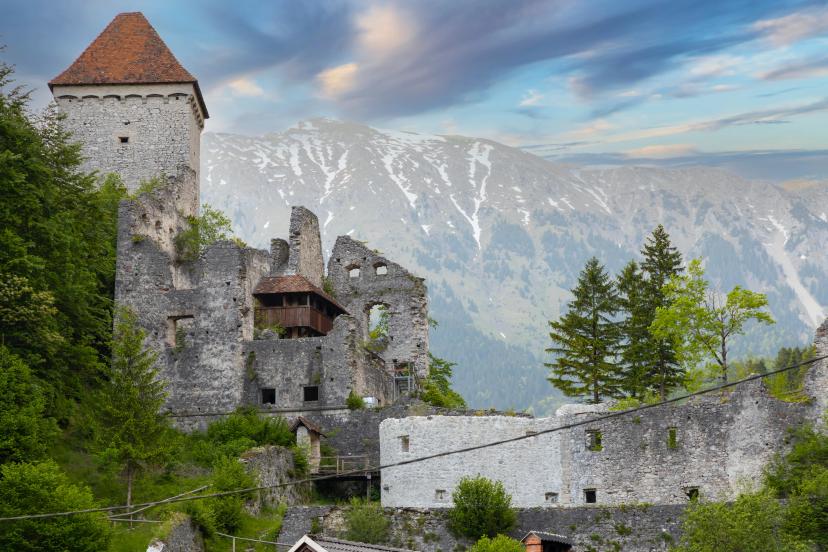
Above Begunje na Gorenjskem stand the ruins of this 12th-century fortress, once guarding a key trade route through the Draga Valley. Built by the Counts of Ortenburg and later the Lambergs, it was damaged by the 1511 earthquake and uprisings, leaving striking stone walls and towers that now offer panoramic views of the Karawanks and Sava plain.

Soča Valley
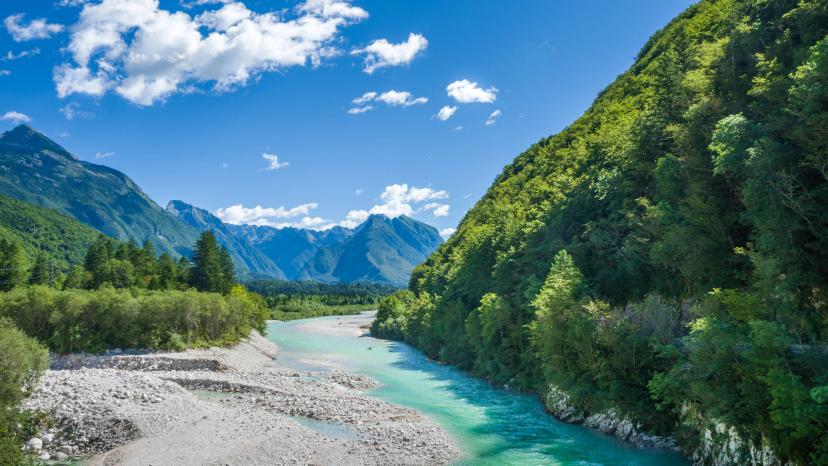
The Soča Valley is famous for the emerald color of the Soča River, which flows through deep gorges and past waterfalls. The area is popular for outdoor sports like rafting, kayaking, and hiking, and features an abundance of natural highlights, among others: the Great Soča & Tolmin Gorges, and stunning waterfalls like Virje, Kozjak and Slovenia’s highest - Boka. It is also a site of major World War I battles, remembered through a variety of museums and the Walk of Peace trail.

Triglav National Park
Slovenia’s only national park spans 880 km² of the Julian Alps and protects Mount Triglav, the nation’s 2,864 m peak and national symbol. A UNESCO Biosphere Reserve, it’s a landscape of glacial valleys, alpine lakes, and the emerald sources of the Soča and Sava rivers. Quiet roads and scenic climbs lead through Bohinj and the Soča Valley, offering cyclists pristine nature and classic Alpine views.

Matajur
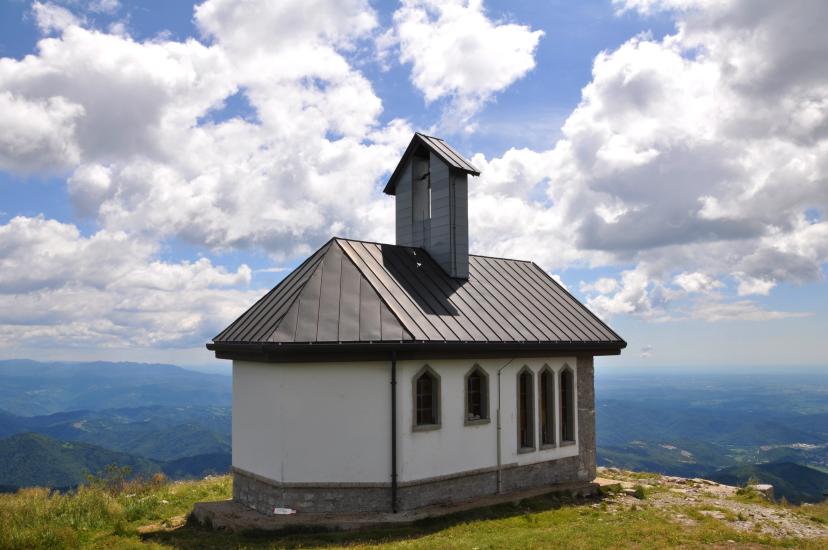
Rising 1,641 m on the border of Slovenia and Italy, Mount Matajur offers sweeping views across the Soča Valley, the Julian Alps, and all the way to the Adriatic Sea on clear days. Its grassy slopes and open summit have long served as alpine pastures, while World War I left historic trails and memorials from the Isonzo Front. Today it’s a beloved cycling and panoramic viewpoint, combining gentle lower roads with a challenging final climb and a unique vantage point over two countries.

Robanov kot
A 5 km glacial valley in the Kamnik–Savinja Alps, Robanov Kot is protected as a Landscape Park and part of Natura 2000. Ringed by peaks like Ojstrica and Krofička, its floor of meadows and forests has been farmed since the 15th century by the historic Roban homestead. Quieter than nearby Logar Valley, it offers pristine alpine scenery, traditional mountain farms, and a peaceful escape into Slovenia’s highlands.
Karst et Slovénie Méditerranéenne
Dans le sud-ouest, les vacances à vélo en Slovénie prennent une saveur méditerranéenne. Le plateau karstique est célèbre pour ses grottes, rivières souterraines et vignobles de vin rouge, tandis que la côte adriatique reflète des siècles d'influence vénitienne. Ajoutez à cela un temps ensoleillé, des collines en terrasses et des villes historiques, et cette région dévoile un aspect complètement différent de la Slovénie. Découvrez la région lors de notre tournée à vélo des Alpes à l'Adriatique.

Karst Region
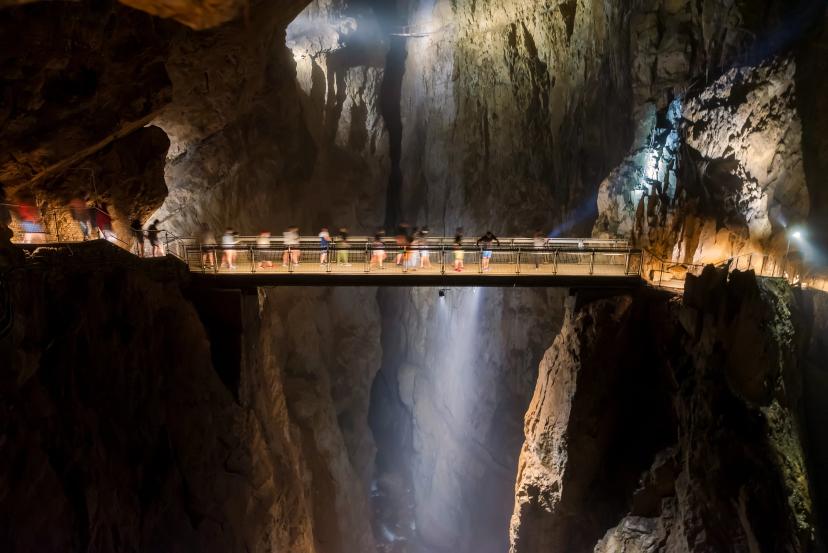
The Karst plateau gave its name to karst landscapes worldwide, known for caves, underground rivers, and sinkholes. This limestone region of southwestern Slovenia is home to the UNESCO-listed Škocjan Caves and countless smaller caves. Alongside the geology, visitors find stone-built villages, vineyards producing the strong red wine Teran, and traditions tied to this unique landscape.

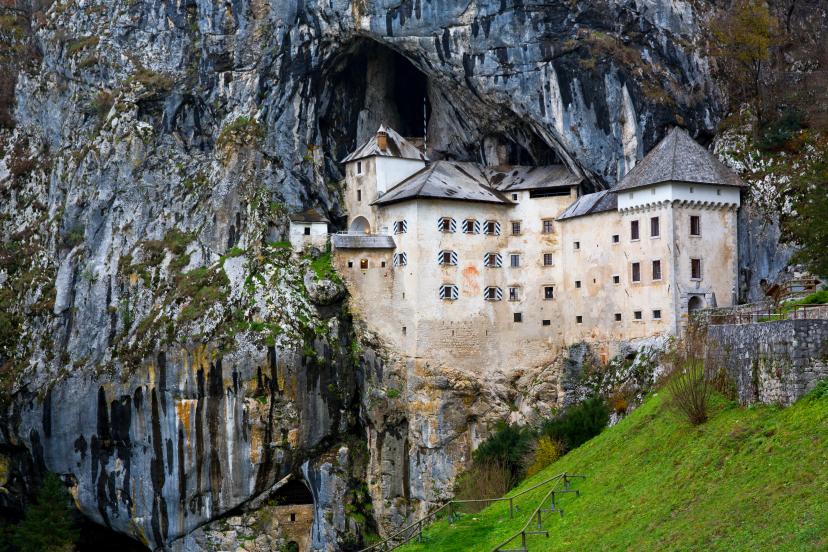
Predjama Castle
Predjama Castle holds a Guinness World Record as the largest cave castle in the world. Built more than 800 years ago, it is integrated directly into a 123-meter cliff face. The castle became legendary thanks to the knight Erazem Lueger, who resisted a siege for over a year by using hidden passages that led out of the cave system below. Archaeologists have discovered a vast network of tunnels beneath the castle, more than 14 kilometers explored so far.

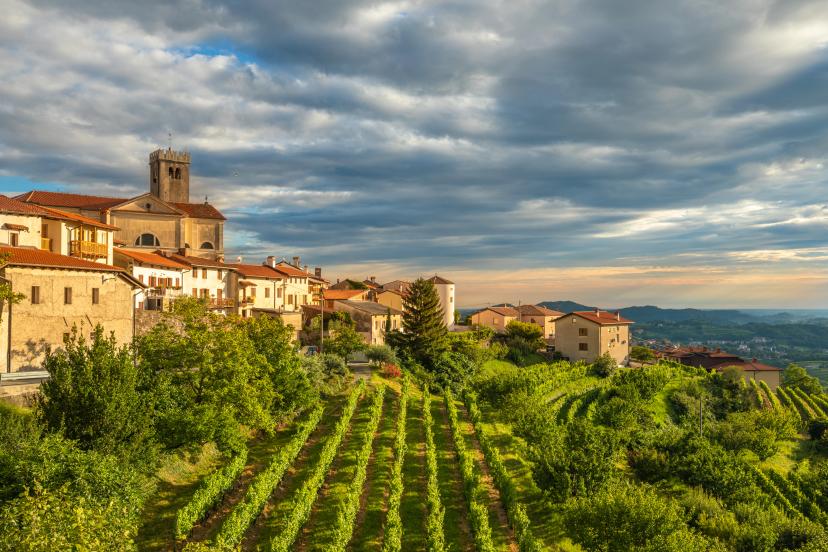
Goriška Brda
Goriška Brda is a wine-growing region on the border with Italy, often called “Slovenia’s Tuscany.” Its rolling hills are covered with vineyards, orchards, and small villages, many of which offer wine tastings and farm-to-table food. The region is known for both white and red wines, and cycling through its gentle hills is one of the best ways to explore.

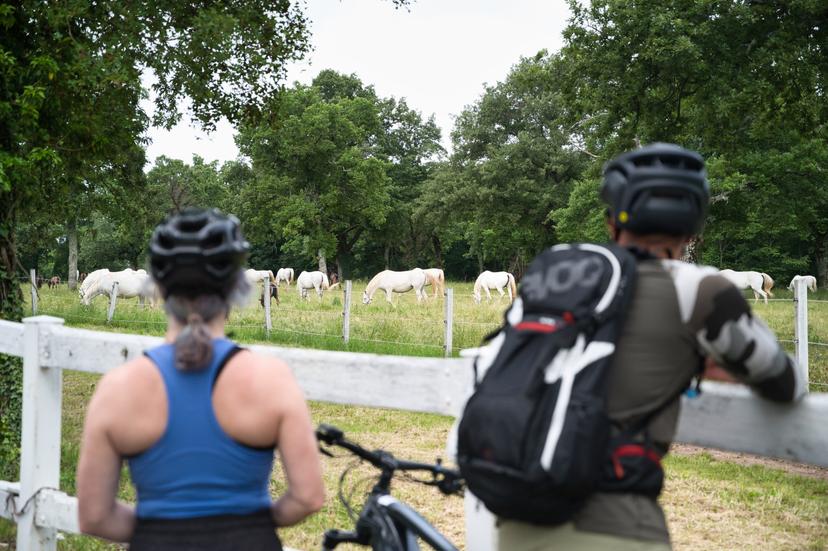
Lipica Stud Farm
The Lipica Stud Farm was founded in 1580 and is the original home of the Lipizzaner horses. These horses were bred for the Habsburg court and later became famous worldwide for their performances at the Spanish Riding School in Vienna. Today, the stud farm still breeds and trains Lipizzaners, offering riding shows, guided tours, and a museum that tells the story of this historic breed.

Piran
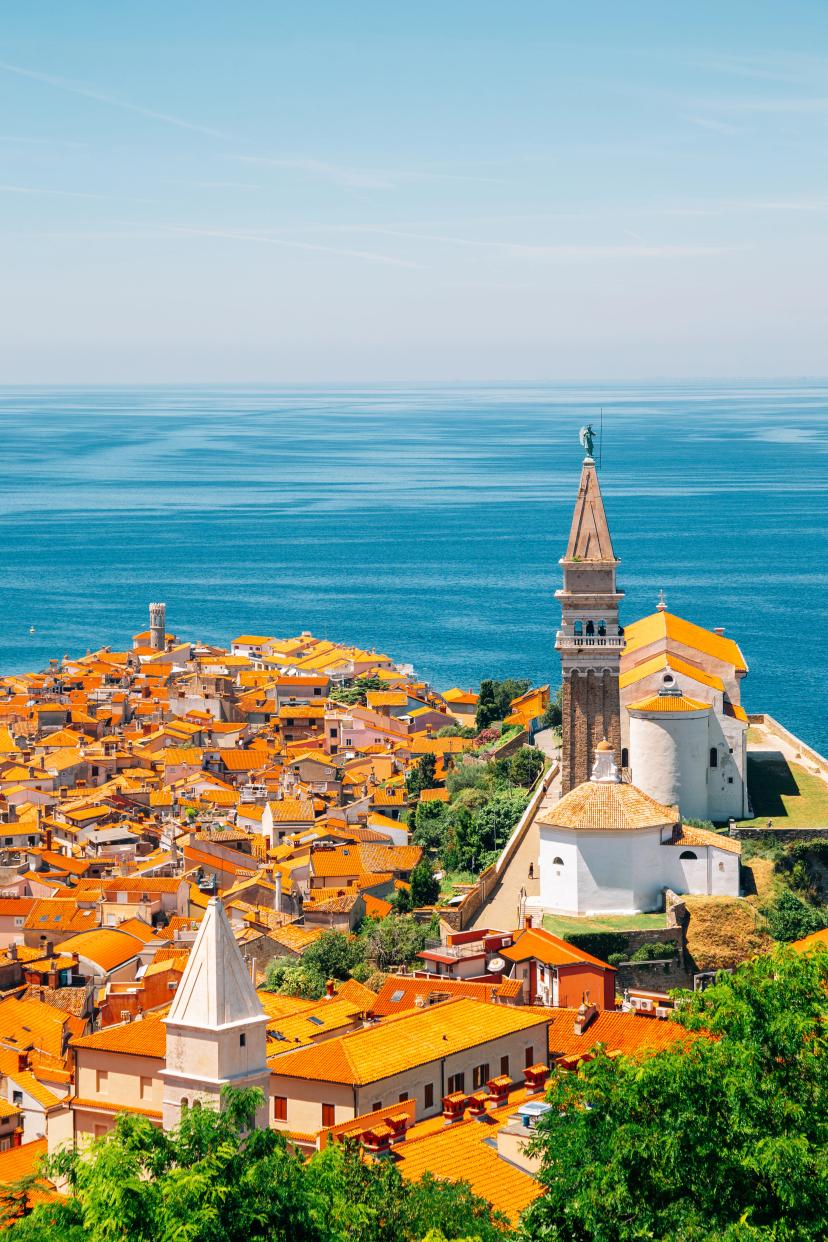
Piran is a coastal gem on the Adriatic, known for its Venetian heritage and narrow medieval streets. The main square, Tartini Square, is named after the famous violinist Giuseppe Tartini, who was born here. Climb the old city walls for panoramic views of the red-roofed town and the sea, or visit St. George’s Church, which overlooks the harbor from a bluff.

Sečovlje Saltpans
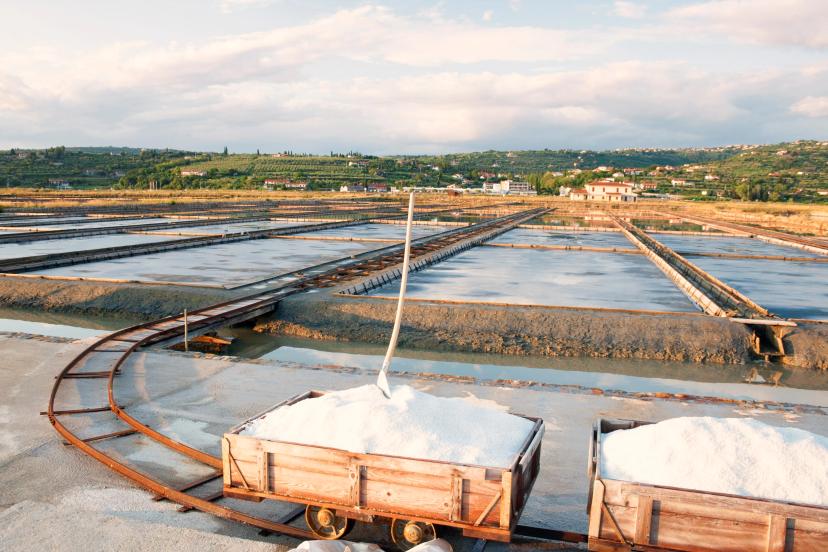
The Sečovlje Saltpans are one of the last places in the Mediterranean where salt is still harvested using centuries-old techniques. Covering about 750 hectares, the saltpans are divided into evaporation basins that double as habitats for hundreds of bird species. A salt museum explains the unique process, and visitors can even try salt-based spa treatments nearby.
Slovénie centrale
La Slovénie centrale mélange les points forts culturels avec un accès facile à la nature. Ljubljana, avec ses cafés au bord de la rivière et ses vues sur le château, constitue une base parfaite pour explorer à vélo. Les villes médiévales voisines, les plateaux boisés et les églises perchées sur les collines ajoutent de la variété, faisant de cette région un endroit idéal pour des vacances à vélo en Slovénie qui équilibrent la découverte urbaine avec des balades à la campagne.
Explorez la région lors de notre tour Vacances à vélo sur route ou Tour à vélo des collines cachées si vous préférez les pâturages de montagne tranquilles et les villages.

Ljubljana
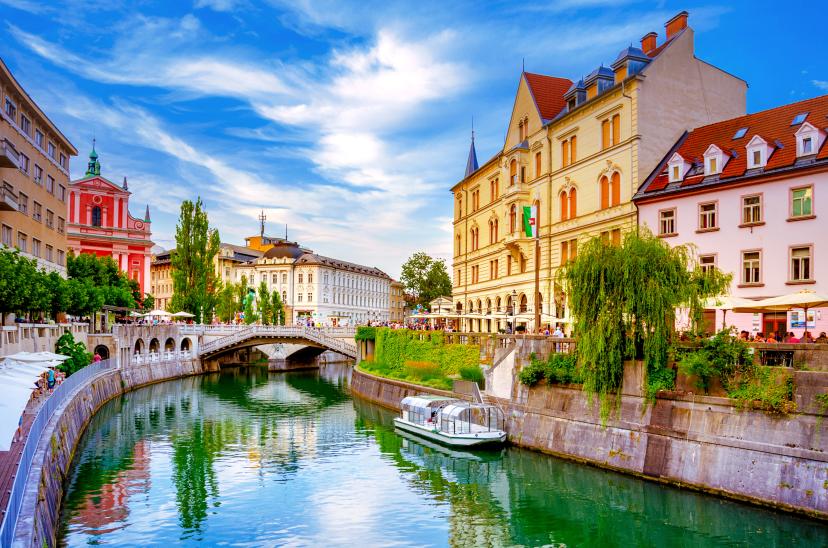
Ljubljana is Slovenia’s capital and cultural hub, with a population of just under 300,000. The Ljubljanica River runs through the center, lined with outdoor cafés and crossed by well-known bridges such as the Dragon Bridge and the Triple Bridge, both designed by architect Jože Plečnik. The city’s castle dates back to the 11th century and offers views across the entire basin. Ljubljana has been named a European Green Capital thanks to its pedestrianized center, bike-sharing system, and strong focus on sustainability.

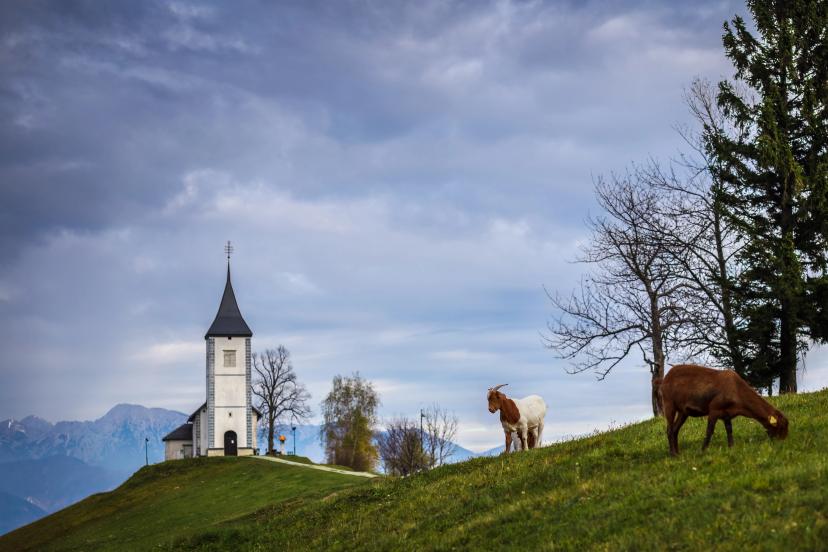
Church of St. Thomas
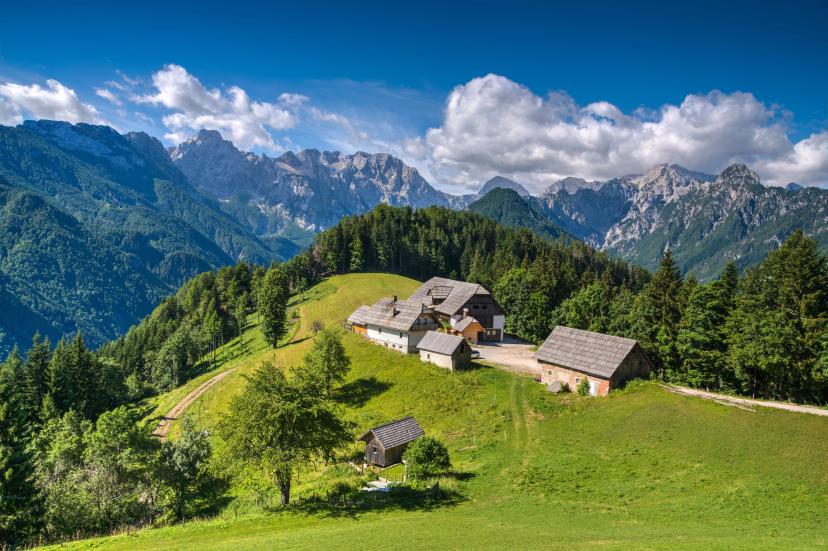
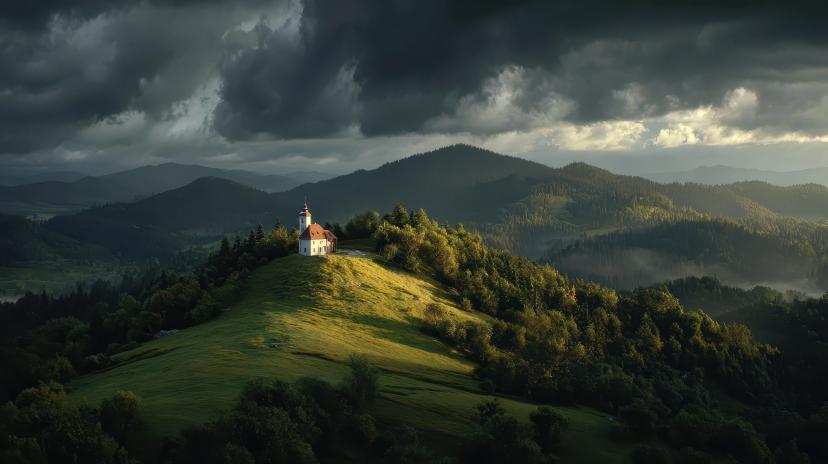
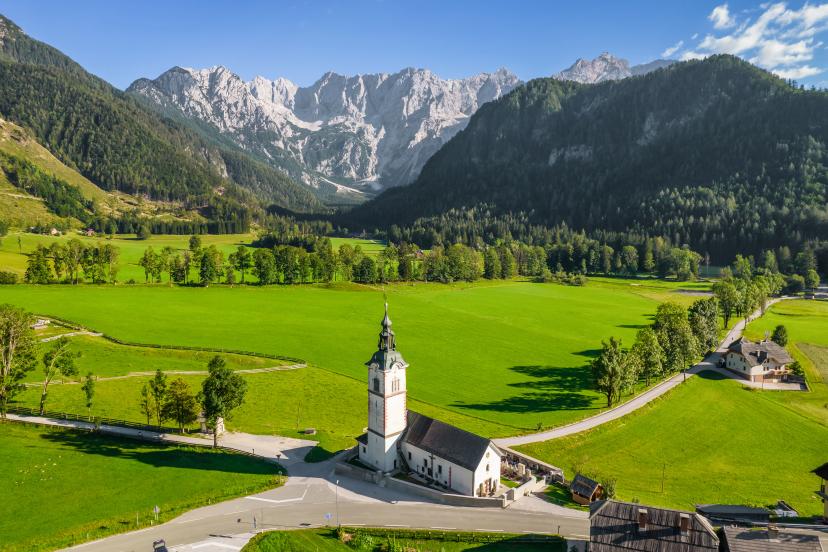
The Church of St. Thomas sits on a hill near Škofja Loka and has become one of Slovenia’s most photographed landmarks. The church was first built in the 13th century, later rebuilt in Baroque style, and today still serves the local parish. A nearby roadside viewpoint frames the church with the surrounding hills and mountains, making it a favorite spot for photographers.

Golovec
Golovec Hill rises right next to Ljubljana and is covered by a dense forest crisscrossed with trails. It is one of the city’s most popular areas for mountain biking, with a maintained trail center offering downhill and enduro routes. The hill also hosts an astronomical observatory that has been operating since 1959.

Krvavec
Krvavec is Slovenia’s most accessible ski resort, located just 25 kilometers from Ljubljana and reachable by cable car. In summer, its slopes turn into a cycling and hiking area with panoramic views across the Kamnik-Savinja Alps. At 1,450–1,970 meters altitude, it also hosts outdoor festivals and alpine dairy farms producing traditional cheeses.

Jelovica Plateau
This vast forested karst plateau lies between Bohinj and Škofja Loka at about 1,000 m above sea level. Cloaked in spruce and fir, it was once a center for forestry and charcoal making and remains one of Slovenia’s quietest natural areas. The plateau is crowned by the hilltop St. Primož Church, whose striking white spire set against the mountains is one of the country’s most photographed landmarks.

Škofja Loka
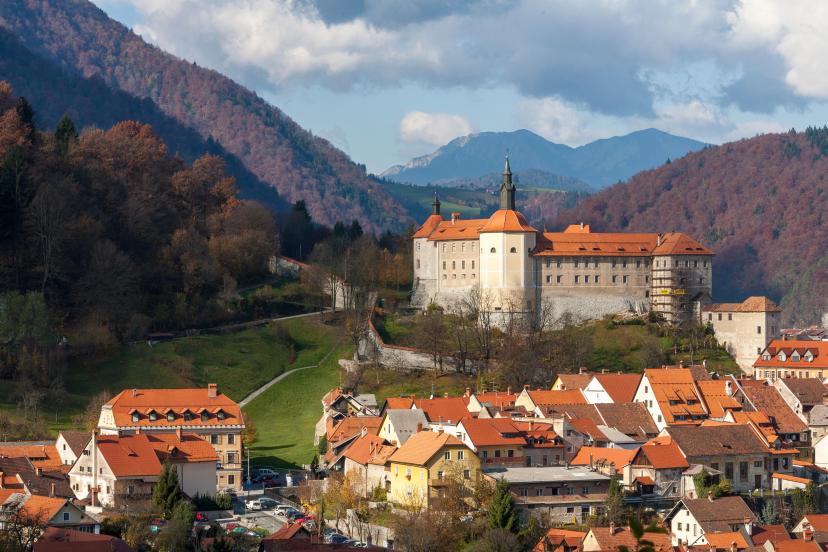
Škofja Loka is one of Slovenia’s oldest towns, with a history dating back over a thousand years. Its medieval center is one of the best preserved in the country, dominated by a castle on a hill that today houses a museum. The town lies at the meeting of two rivers and is surrounded by a landscape full of waterfalls and hiking trails.

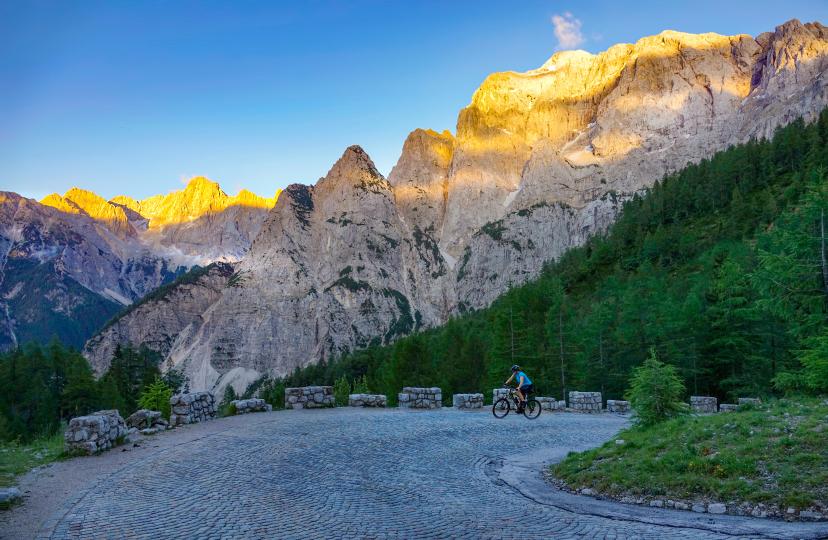
Vršič Pass
Vršič Pass is the highest road pass in Slovenia at 1,611 meters, with exactly 50 numbered hairpin turns. Built by Russian prisoners during World War I, it is still known as the “Russian Road.” The pass connects Kranjska Gora with the Soča Valley and is a popular gateway for hiking trails, mountain views, and a stop at the small Russian Chapel built in memory of the workers who died during its construction.
Les Karawanks
La chaîne de montagnes des Karawanks s'étend sur 120 kilomètres le long de la frontière avec l'Autriche, formant une division naturelle entre l'Europe centrale et les Balkans. Des sommets s'élèvent au-dessus de 2 000 mètres, tandis que des vallées alpines, des grottes et des pâturages élevés façonnent le paysage dramatique.
Autrefois une frontière gardée, elle est aujourd'hui définie par la vie traditionnelle des bergers et les loisirs de plein air — et ses longues routes tranquilles en font l'une des meilleures zones pour le vélo en Slovénie.
Envie de l'explorer à vélo ? Nous avons juste le tour qu'il vous faut !

Krvavec
Krvavec is Slovenia’s most accessible ski resort, located just 25 kilometers from Ljubljana and reachable by cable car. In summer, its slopes turn into a cycling and hiking area with panoramic views across the Kamnik-Savinja Alps. At 1,450–1,970 meters altitude, it also hosts outdoor festivals and alpine dairy farms producing traditional cheeses.

Jezersko
Jezersko is a small alpine valley north of Ljubljana, close to the Austrian border. It is named after a glacial lake that drained in the 14th century, leaving fertile meadows where farming traditions continue today. The area is known for hiking, cycling, and the healing mineral water from its springs, which has been used since the 17th century.
Slovénie du Sud
La Slovénie du Sud est dominée par de vastes forêts, y compris l'une des plus grandes forêts primaires d'Europe. Le Kočevski gozd à lui seul couvre 500 kilomètres carrés et abrite des ours bruns, des loups et des lynx. Pendant la guerre froide, de grandes zones ici étaient des zones militaires fermées, ce qui a aidé à préserver sa nature sauvage.
Aujourd'hui, c'est une région où les vacances à vélo en Slovénie, en particulier pour les cyclistes de VTT, prennent un aspect plus sauvage, avec des sentiers sauvages à travers des forêts profondes et un accent sur la nature préservée.
Faites battre votre cœur dans les forêts primaires lors de nos Vacances VTT sur Sentiers Uniques.

Kočevje forest info card
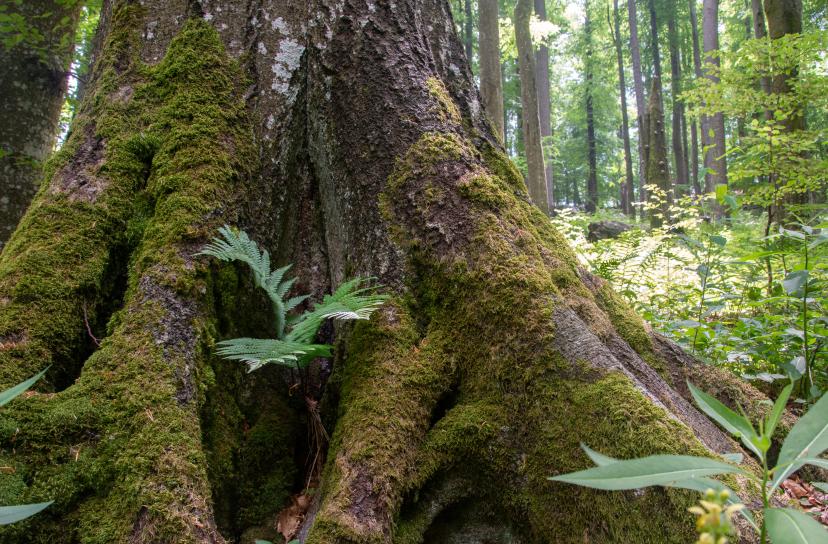
Kočevski gozd (forest) is the largest primeval forest in Slovenia, covering around 500 square kilometers. The area is home to rare wildlife, including brown bears, wolves, and lynxes, making it one of the most important biodiversity reserves in Europe. Visitors can explore marked trails, guided bear-watching tours, and learn about the area’s history as a former restricted military zone during the Cold War.
À Travers la frontière : Italie & Croatie
De nombreuses vacances à vélo en Slovénie s'étendent sans interruption dans les pays voisins, l'Italie et la Croatie, ajoutant encore plus de variété à la balade. En Italie, les cyclistes peuvent s'attaquer aux Dolomites, un site du patrimoine mondial de l'UNESCO dont les légendaires cols ont façonné le Giro d'Italia. En Croatie, la péninsule istrienne offre un patrimoine romain, des villages perchés et des forêts riches en truffes.
Pour ceux qui souhaitent tout découvrir, nous proposons des voyages multi-pays qui mettent en valeur le meilleur de la région. Les options incluent le Vélo ultime à travers la Slovénie et la Croatie, le Défi routier des Dolomites légendaires et de la Slovénie, et le tour de cyclisme sur route Slovénie, Italie & Croatie—chacun combinant des paysages inoubliables, des ascensions emblématiques et les riches cultures de trois pays voisins.

Grožnjan
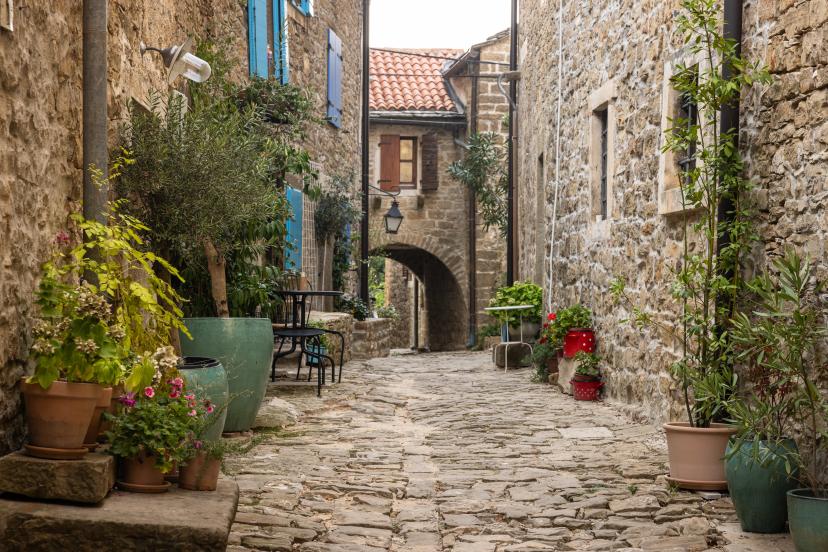
Perched on a hilltop in Croatia’s Istrian peninsula, Grožnjan is renowned as the “town of artists.” Its medieval stone lanes are packed with more than twenty galleries and studios, and music festivals fill the narrow streets each summer. With panoramic views over vineyards and olive groves, Grožnjan blends history, art, and a relaxed Mediterranean charm that makes it a favorite stop for culture lovers and cyclists crossing the border from Slovenia.

Motovun
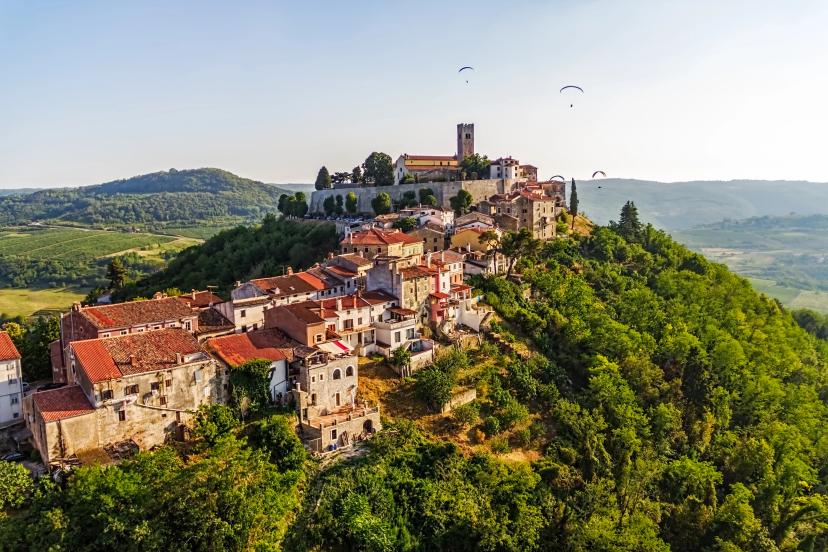
Just a short ride away, Motovun rises dramatically above the Mirna River valley and is famed for its intact medieval walls and sweeping views across central Istria. The town is at the heart of Croatia’s truffle region, offering everything from simple truffle tastings to fine dining. Its cobbled streets, Venetian architecture, and surrounding forests make Motovun both a culinary hotspot and one of the most atmospheric hill towns in the region.

Premantura
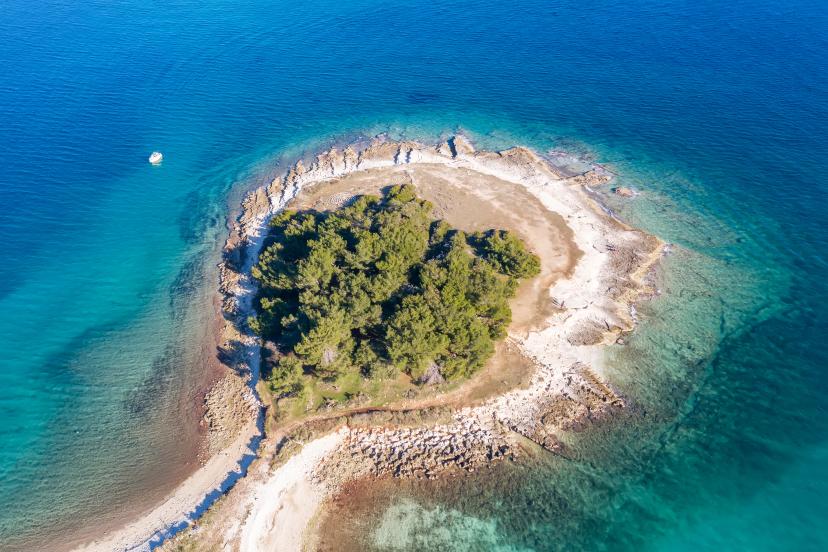
Premantura is the southernmost tip of the Istrian peninsula, known for the protected landscape of Cape Kamenjak. The cape is dotted with coves, cliffs, and beaches, and its coastline stretches for about 30 kilometers. Cyclists and hikers can explore its trails, while swimmers and divers are drawn to its clear waters and unique rock formations.

Pula
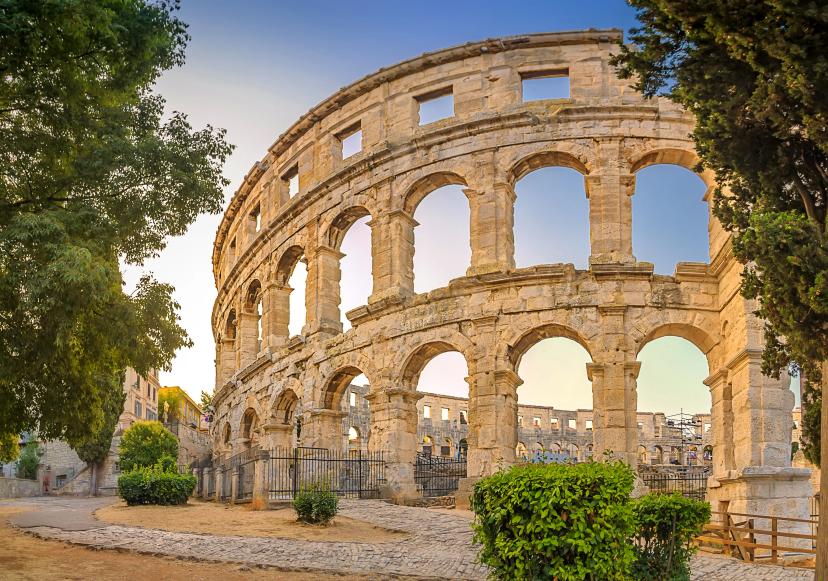
Pula, at the southern tip of Croatia’s Istrian peninsula, is known for its Roman heritage. The highlight is the well-preserved Roman amphitheater, built in the 1st century and still used for concerts and events today. The city also features Roman temples, medieval fortresses, and a busy port that reflects its long history as a crossroads of Mediterranean cultures.

Wurzenpass
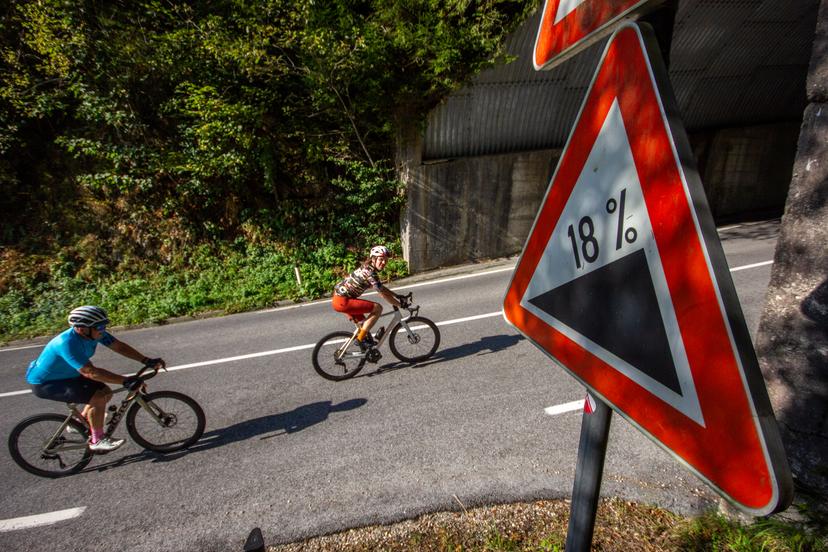
Wurzenpass, at 1,073 meters, is a mountain pass connecting Slovenia and Austria. The road is steep, with gradients reaching 18%, and was once an important military route. At the top sits the Bunkermuseum, an open-air museum of Cold War bunkers built in the 1960s to defend against a possible invasion.

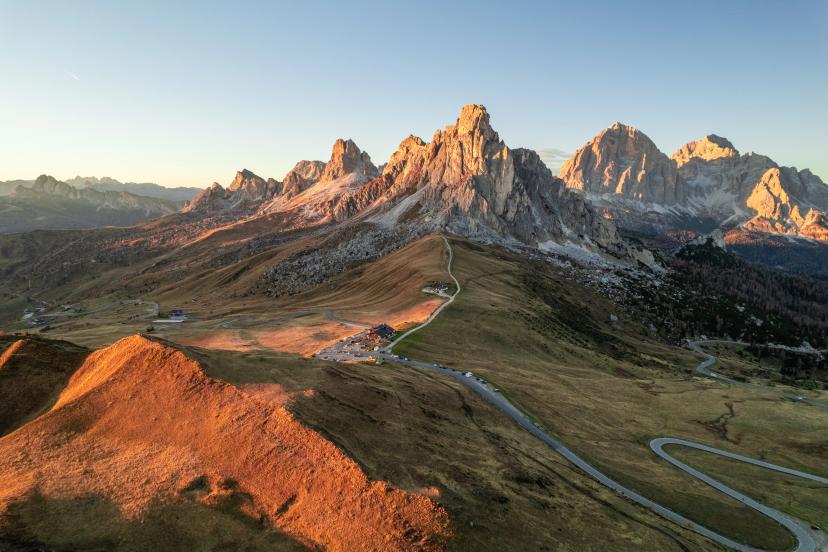
Passo Giau
Passo Giau is one of the most scenic high mountain passes in the Dolomites, standing at 2,236 meters. The road climbs with 29 hairpin bends and has often featured in the Giro d’Italia, making it a legendary route for cyclists. From the top, the views stretch to peaks like Tofane and Marmolada, making it a favorite stop for photographers and riders alike.

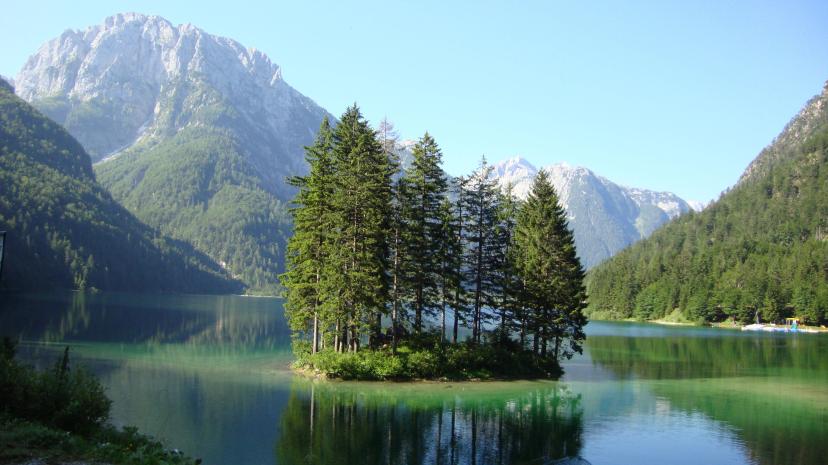
Lago del Predil
Planifiez votre échappée à vélo en Slovénie
Vous sentez-vous inspiré par les paysages de Slovénie ? Parcourez notre sélection complète de circuits à vélo en Slovénie ou contactez-nous pour planifier votre propre balade.

.jpg&w=3840&q=75)
Experts locaux
Nos guides de cyclisme professionnels connaissent le terrain local et sont formés pour rendre cette opportunité unique à la fois sûre et agréable.
Sans tracas
Nous nous occupons des itinéraires, des hébergements et de tout ce que vous préférez ne pas gérer, afin que vous puissiez profiter de vacances sans souci.
Entièrement personnalisable
La flexibilité est notre deuxième prénom — que vous souhaitiez plus ou moins, ou simplement quelque chose d'inhabituel, nous le ferons.
Réservez en toute confiance
Nous sommes une entreprise financièrement protégée, entièrement cautionnée et assurée, qui garde votre argent en sécurité et vous permet de voyager en toute confiance.
Soutien imbattable
Notre service clientèle 24/7 est l'endroit où nous démontrons notre passion, vous apportant une meilleure expérience en faisant de votre bien-être notre priorité numéro un.